Embracing Sustainability: The Vital Role of Environmental Consulting in Business Development
Adopting sustainable practices is becoming a critical objective for companies seeking expansion. Sustainability consulting offers critical guidance in this transition. Such professionals help companies navigate complex regulations, boost productivity, and strengthen corporate image. As environmental responsibility moves to the forefront, businesses need to evaluate how such initiatives affect their processes and customer perspectives. The consequences of implementing green initiatives reach further than regulatory adherence, leading to significant changes in market dynamics. What are the key elements driving this transformation?
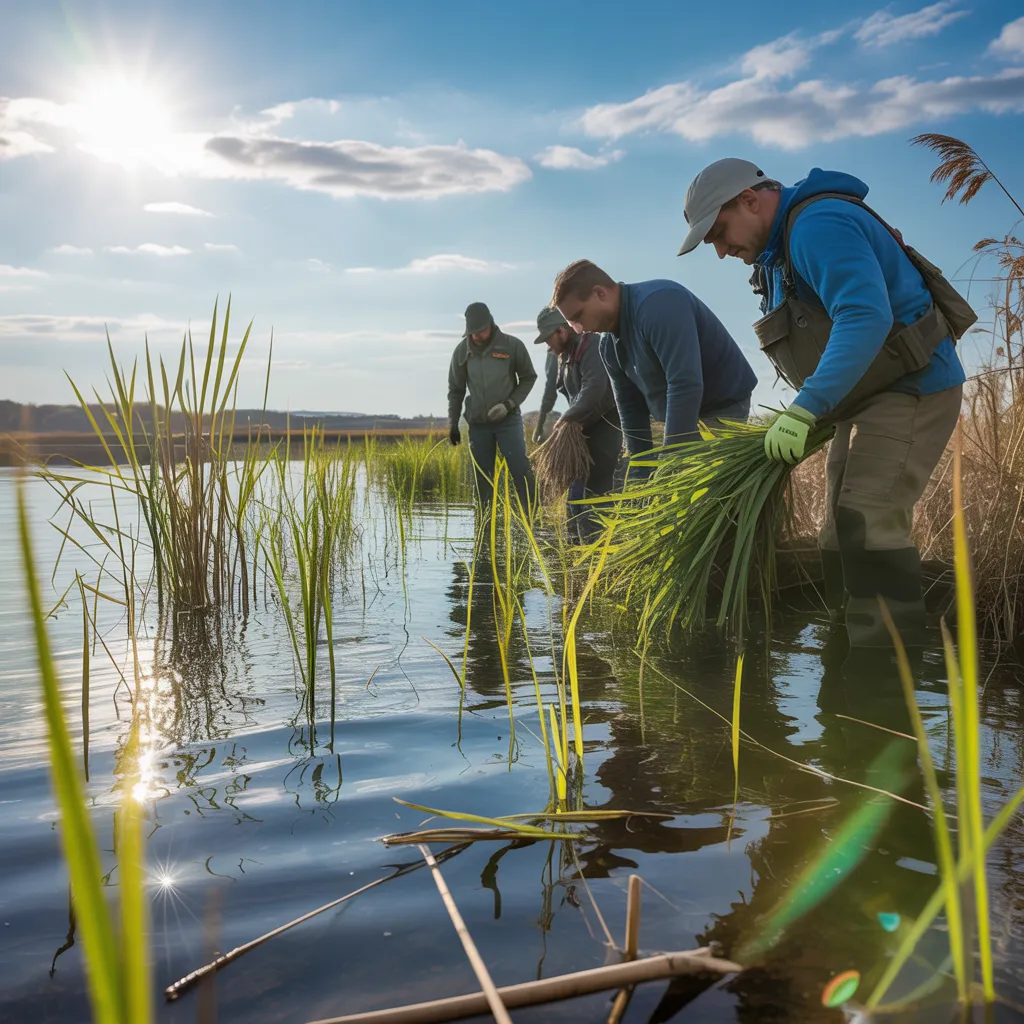
Understanding Environmental Consulting and Its Importance?
Environmental consulting serves a vital role in steering organizations toward sustainable operations. This distinct field covers a broad spectrum of services focused on examining environmental effects, maintaining compliance with regulations, and advancing sustainable resource management. Environmental consultants assess projects for potential ecological effects, offering strategies to mitigate risks and enhance sustainability. Their proficiency is invaluable in handling complex regulatory frameworks, assisting businesses in avoiding expensive penalties while building a responsible corporate reputation.
Furthermore, environmental consulting helps companies identify areas for operational improvement, including waste reduction and energy conservation. By integrating sustainability into business operations, organizations can craft forward-thinking solutions that cut costs and boost overall efficiency. With environmental issues increasingly gaining worldwide attention, the significance of environmental consulting becomes progressively clear. This sector not only supports compliance and ethical practices but also contributes to the long-term viability of businesses in an environmentally conscious marketplace. At its core, environmental consulting functions as a vital pillar in the drive toward sustainable progress.
The Role of Environmental Consulting in Driving Business Growth
Environmental consulting plays an essential role in fostering business expansion by guaranteeing adherence to environmental regulations, which can eliminate costly violations. Furthermore, these services often contribute to money-saving approaches that enhance operational efficiency. As companies adopt sustainable practices, they also strengthen their brand image, drawing in eco-minded consumers.
Regulatory Compliance
Steering through the complexities of regulatory compliance is vital for businesses pursuing sustainable growth. Environmental advisory services serves a crucial function in helping organizations manage these complex regulations. By offering specialized knowledge in environmental legislation and compliance standards, consultants assist businesses in recognizing their responsibilities and incorporating regulatory adherence into their operational structures. This preventive method reduces the likelihood of regulatory sanctions and enhances corporate reputation. Additionally, consultants can identify potential compliance gaps and propose solutions for robust risk management. As businesses bring their activities into regulatory alignment, they not only secure their operational continuity but also attract environmentally conscious consumers and investors. Ultimately, robust regulatory adherence builds credibility and sets organizations on a path to enduring success within an ever-evolving regulatory landscape.
Cost Savings Strategies
As organizations aim to boost their profitability, employing environmental consulting can expose meaningful ways to cut expenses. By conducting thorough assessments of resource usage, environmental consultants identify inefficiencies and recommend strategies to optimize energy consumption and reduce waste. Putting these strategies into practice commonly yields decreased operating costs and enhanced resource utilization. Additionally, environmental consulting can support the transition to renewable energy solutions, which may deliver considerable long-term savings via reduced energy bills and eligible tax incentives. Consultants also deliver insights on sustainable strategies that help decrease costs and enhance overall operational performance. At its core, committing to environmental consulting allows organizations to refine processes, manage resources wisely, and realize enduring financial gains while cultivating a sustainability-focused path to growth.
Strengthened Brand Reputation
Utilizing environmental consulting not only yields cost savings but also enhances corporate reputation, a vital component of business growth in the modern marketplace. Companies that prioritize sustainability through expert guidance showcase their dedication to principled operations, appealing to eco-aware customers. This proactive approach fosters trust and loyalty, setting them apart from the competition. Additionally, a favorable brand image often results in greater consumer interaction and improved revenue, given that key audiences gravitate toward businesses with environmental programs. Sustainability consulting additionally guides companies through complex regulatory environments, minimizing the dangers of regulatory violations that may harm their reputation. By incorporating green initiatives into their primary business approaches, organizations establish themselves as pioneers in ethical business practices, thus enhancing their market standing and supporting enduring success.
Understanding Regulatory Complexities in Environmental Practices
Navigating the complex realm of compliance challenges in environmental operations is essential for companies pursuing sustainable growth. Businesses encounter an wide range of local, state, and international compliance requirements that can affect business operations and regulatory standing. Environmental consulting plays a critical role in guiding companies through these requirements, ensuring they fulfill their legal duties while adhering to established environmental guidelines.
Consultants deliver expert advice on a wide range of regulations, including emissions standards and waste management protocols, allowing businesses to avoid potential pitfalls. By conducting thorough assessments and risk analyses, they can highlight areas that need attention and propose targeted strategies for regulatory adherence. Such a proactive strategy limits legal exposure and promotes a culture of environmental accountability.
Moreover, being knowledgeable about developing compliance standards empowers enterprises to adjust rapidly, preserving business operations while strengthening their sustainability profile. This strategic approach through regulatory complexities consistently promotes long-term business growth and reaffirms a focus on ecological responsibility.
Leading Methods to Decrease Your Carbon Footprint
To meaningfully decrease carbon footprints, organizations can execute several key strategies. Among these are improving energy performance, embracing eco-friendly transit solutions, and utilizing waste minimization strategies. All of these strategies not only contributes to environmental goals but also fosters productivity gains and reduced expenditures.
Energy Efficiency Enhancements
Enhancing energy efficiency serves as a vital approach for organizations looking to decrease their carbon emissions. Through the adoption of energy-efficient methods and solutions, companies can considerably reduce their energy consumption, contributing to diminished carbon emissions. Common strategies include upgrading lighting to LED systems, improving heating and ventilation systems, and utilizing energy management software. Additionally, conducting energy audits can help identify areas for improvement and support strategic energy-saving measures. Allocating resources toward renewable energy solutions, including solar installations, can also strengthen energy conservation while advancing sustainability initiatives. At their core, these strategies not only lessen environmental harm but also deliver significant cost reductions, fostering a competitive advantage in a market increasingly focused on sustainability.
Eco-Friendly Transportation Choices
How can businesses effectively reduce their carbon footprint through transportation? One of the most impactful strategies involves shifting to electric or hybrid vehicles for company fleets, greatly lowering greenhouse gas emissions. Introducing carpool arrangements fosters communal transportation, diminishing the overall volume of vehicles on public roads. Furthermore, encouraging employees to use public transit can help reduce emissions even more. Companies can also explore logistics optimization to minimize travel distances and improve fuel efficiency. Investing in alternative fuels, such as biodiesel or hydrogen, can enhance sustainability efforts. Ultimately, implementing remote work policies reduces the necessity for daily travel, consequently lowering total transportation emissions. By prioritizing these sustainable transportation options, businesses can align their operations with environmental goals while fostering growth.
Techniques for Waste Reduction
Establishing efficient waste reduction methods is vital for organizations aiming to minimize their carbon emissions. One primary strategy involves adopting the principles of the circular economy, which emphasizes recycling and reusing materials rather than disposing of them. Businesses can additionally perform waste assessments to pinpoint opportunities for enhancement, enabling them to optimize processes and reduce waste output. Furthermore, allocating resources toward energy-saving technologies can decrease both waste output and energy usage. Educating employees about sustainable practices fosters a culture of responsibility, encouraging them to contribute to waste reduction efforts. Finally, collaborating with suppliers who prioritize sustainability can further enhance a business's waste management strategy, ultimately leading to reduced environmental impact and improved operational efficiency.
How Environmentally Conscious Practices Improve Your Brand's Image
Eco-friendly initiatives can significantly boost a brand's reputation in today's environmentally conscious market. As consumers increasingly prioritize eco-friendly options, businesses that implement sustainable practices tend to secure a stronger competitive position. Such initiatives reflect a dedication to corporate social responsibility, resonating with customers who value ethical consumption.
In addition, clarity regarding sustainability practices can build trust and loyalty among buyers. When businesses highlight their efforts—such as lowering carbon emissions or procuring materials ethically—they engage with their customers on a greater level. This engagement can generate favorable recommendations and improved customer loyalty.
Additionally, organizations that adopt sustainability are commonly regarded as progressive and forward-looking, appealing to not only buyers but also potential backers who look to back sustainability-focused businesses. In the end, weaving sustainability into a brand's core philosophy not only supports ecological health but also strengthens its standing in the market.
Case Studies: Successful Environmental Consulting in Action
As many businesses strive to embrace eco-friendly initiatives, proven case studies within environmental consulting highlight the concrete gains of such undertakings. For instance, a leading manufacturing company partnered with environmental consultants to streamline its waste management processes. This partnership led to a 30% decrease in waste disposal expenses and improved recycling rates, significantly boosting the company's profitability.
Another example concerned a retail business that hired professional consultants to analyze its energy usage. By executing energy-efficient solutions suggested by the consultants, the business lowered its energy use by twenty-five percent, leading to substantial savings and a lesser carbon footprint.
In addition, a technology firm looked for advice regarding green supply chain practices. The advisors worked to identify green-certified suppliers, resulting in a greener procurement process and enhancing the firm's market reputation. These scenarios showcase how professional eco-consulting can foster both environmental progress and commercial success, giving organizations a significant benefit in an rapidly evolving sustainability-focused market.
Future Trends in Environmental Consulting and Sustainability
How are emerging technologies set to transform the future of environmental consulting and sustainability? The combination of artificial intelligence, machine learning, and big data analytics is positioned to redefine the sector. These innovations allow consultants to compile and process extensive environmental data, producing more reliable assessments and specialized solutions for organizations. Furthermore, remote sensing and drones provide groundbreaking methods to track ecosystems and resource utilization in real time, improving decision-making processes.
Moreover, the expansion of digital technologies supports stakeholder collaboration, creating a more comprehensive strategy for environmental challenges. Environmental consultants will progressively focus on circular economy strategies, assisting companies decrease waste and enhance resource management. Ultimately, governmental pressures and consumer expectations for openness will propel the integration of sustainable approaches, placing sustainability experts as indispensable partners in data maneuvering these multifaceted demands. In totality, these shifts highlight a evolving future where digital advancement and sustainability unite to drive organizational growth.
Common Questions and Answers
What Should I Look for When Choosing an Environmental Consulting Firm?
To select the best environmental consulting firm, it is important to examine their knowledge, reputation, and prior engagements. Furthermore, assessing their strategies toward sustainability and client communication will ensure compatibility with your unique business objectives and principles.
What Credentials Should Environmental Consultants Have?
Environmental consulting professionals are expected to have relevant degrees in environmental science or related fields, professional credentials such as ISO or LEED, robust analytical capabilities, hands-on experience in sustainable practices, and proficient communication capabilities to collaborate successfully with a wide range of stakeholders.
What Are the Benefits of Environmental Consulting for Small Businesses?
Small enterprises can enhance business operations, lower expenses, and lessen their ecological footprint through expert environmental consulting. These experts offer customized solutions, guaranteeing adherence to regulatory requirements while encouraging environmentally responsible operations that draw in environmentally aware clients and investors.
What Are the Typical Costs of Hiring Environmental Consultants?
The expenses involved in hiring environmental consultants can differ significantly, generally spanning from hourly rates to project-based pricing. Variables that impact these fees include the consultant's qualifications, the scope of the project, and the unique requirements or objectives of the client.
How Do Environmental Consultants Assess Sustainability Progress?
Environmental specialists assess sustainable development progress by means of performance indicators, audits, and data analysis. They evaluate energy consumption, waste management, and resource efficiency, delivering clients comprehensive benchmarks and reports to measure progress and guarantee adherence with defined sustainability targets.